1. Grounds and landscape crew member
Mowing, planting, irrigation repair, hardscape and snow work for a landscape contractor, a school district, a golf course or a municipal parks department. It is the most available outdoor job in the country and the easiest to test-drive.
Build it by taking an OSHA 10-Hour Construction or General Industry card online (1-2 days), then applying to a local crew for spring start-up. Within your first year, study for your state's commercial pesticide applicator licence through the state department of agriculture (4-10 weeks of study plus an exam) — that one card moves you from mowing to treatment work.
On a resume, list equipment by name: zero-turn mowers, skid steer, irrigation controllers, backpack sprayer. In interviews, say how many properties you ran per day and what you did when the schedule slipped.
2. Wildland firefighter (seasonal)
Crew work on fire lines for a federal agency, a state forestry department or a private contractor, usually May to October with long tours away from home. Physically the hardest entry on the list.
Build it by completing NWCG courses S-130, S-190, L-180 and I-100 — often offered free over a weekend by a state agency or community college — then passing the arduous pack test: three miles, 45 pounds, 45 minutes. Train for the pack test for 6-10 weeks before you attempt it.
Interview answer
I completed S-130 and S-190 in [month], passed the arduous pack test at [time], and spent [season] on a [hand crew / engine] doing mop-up, line construction and chainsaw swamping.
3. Solar PV installer
Racking, panel setting and wiring on rooftops and ground-mount arrays. Rooftop work is hot, exposed and height-based; utility-scale fields are flatter and more repetitive.
Build it with a short PV installation course at a community college or a trade training centre (2-8 weeks), plus OSHA 10 and a fall protection class. The NABCEP PV Associate exam is the recognised entry-level credential and is realistic to sit after that coursework.
Show it by listing the credential, the racking systems you have worked with, and whether you are comfortable on pitched roofs. Many employers care more about the ladder, torque wrench and comfort at height than about theory.
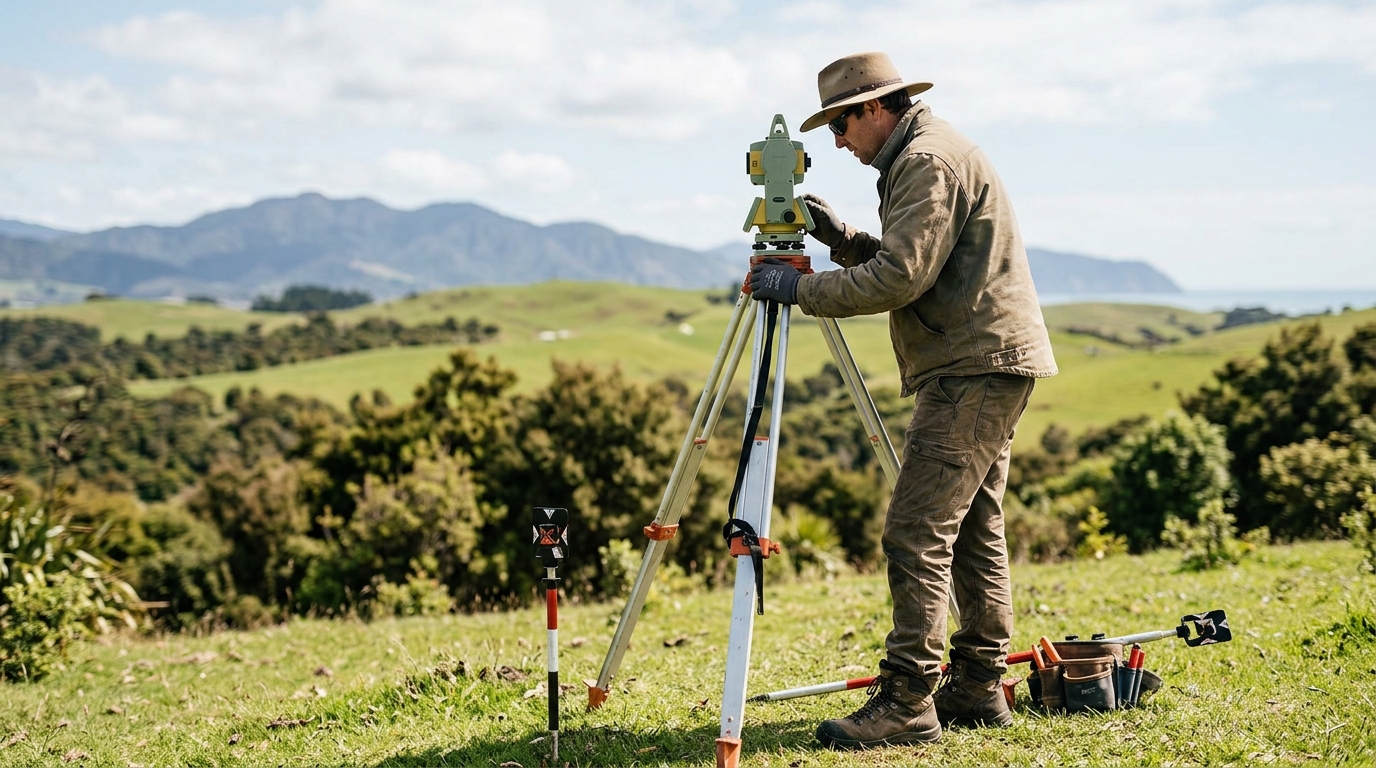
4. Surveying technician
Holding rod, running a total station or GNSS receiver, and setting control for boundary, construction and topographic surveys. Mostly field days with some office CAD time.
Build it with a community college surveying or geomatics certificate (one to two semesters), or hire on as a rodperson and learn on the crew. If you want to progress, plan for the Fundamentals of Surveying exam toward a Surveyor-in-Training designation — rules and degree requirements differ by state licensing board, so check yours first.
On a resume, name the instruments and software: Trimble or Leica total stations, RTK GNSS, data collectors, AutoCAD Civil 3D.
5. Tree care climber / arborist
Pruning, removals, cabling and storm response, either climbing on rope and saddle or working from a bucket. Skilled, well-defined and dangerous enough that safety training is not optional.
Build it by working 6-18 months as a groundworker — dragging brush, running the chipper, learning knots — while studying for the ISA Certified Arborist exam, which requires documented experience. Take a climbing workshop and read ANSI Z133 before you ever leave the ground.
In interviews, describe a removal you helped plan: the rigging, the drop zone, who called the cuts. Employers hire for judgement around power lines and houses.
6. Heavy equipment operator
Excavators, dozers, loaders and graders on construction, pipeline, mining and site work. Seat time is the whole currency.
Build it with a CDL Class A or B at a licensed truck driving school (3-8 weeks) so you can haul and get hired, then an operator program or NCCER heavy equipment training (3-12 weeks). Many people start as an oiler, labourer or water truck driver and move into the seat within a season or two.
List the machines and the tasks: trenching to grade, pad prep, loading trucks. Mention whether you have run GPS-guided machine control, which is increasingly expected.
7. Electrical line worker
Building and repairing overhead and underground power distribution. High pay potential, high consequence, and storm callouts at 2am in bad weather.
Build it through a registered apprenticeship — applications usually require a CDL, an aptitude test and a physical. A pre-apprentice line worker program at a community college runs 10-20 weeks and makes you a stronger applicant. Apprenticeship to journey level takes roughly 3-4 years.
Talk to a working lineman or an apprenticeship coordinator in your state before applying; they will tell you the actual intake schedule, which is often once or twice a year.
8. Commercial drone pilot
Flying mapping, inspection and progress-documentation missions for surveyors, roofers, utilities, farms and construction firms. Outdoors, but in short bursts — this works best bolted onto another skill on this list.
Build it by studying for and passing the FAA Part 107 Remote Pilot exam (2-6 weeks of study, one in-person test), then flying 10-20 practice missions and processing them in Pix4D, DroneDeploy or WebODM to produce orthomosaics and volume reports.
Show a portfolio, not a certificate: three sample deliverables with the flight plan, accuracy notes and ground control you used.
9. Conservation / natural resource field technician
Vegetation surveys, trail and habitat restoration, invasive species removal, wildlife monitoring and data collection for agencies, nonprofits and consultancies. Often seasonal, often remote, frequently camping.
Build it with a conservation corps or AmeriCorps-affiliated field term (3-10 months), or a college field methods course plus volunteer survey work with a local land trust. Learn to use a handheld GPS, a dichotomous key and a datasheet without errors.
On a resume, quantify the field: acres treated, miles of transect, species surveyed, and which protocol you followed.
10. Park ranger or park maintenance worker
Visitor services, interpretation, trail and facility maintenance, and resource protection for federal, state, county or city park systems. Duties differ enormously — law enforcement rangers follow a separate academy path.
Build it by setting up a USAJOBS profile for federal seasonal postings and checking your state parks department's own hiring site, since state jobs rarely appear on federal boards. Add Wilderness First Aid or CPR (1-2 days) and a season of volunteer trail crew to make a thin application real.
Federal applications are graded on written detail, so mirror the posting's language and list hours per task.
11. Outdoor guide or instructor
Rafting, climbing, hunting, fishing, backcountry skiing or youth expedition work. Seasonal, social, and more about group management than personal skill.
Build it with a Wilderness First Responder course (8-10 days) plus the certification your discipline expects — swiftwater rescue for rivers, a single pitch instructor credential for climbing — then an unpaid or low-paid apprentice season with an outfitter. State guide licences and permits vary; ask the outfitter which ones their area requires.
In interviews, tell one story about a trip that went sideways and the decision you made before it got worse.
12. Carpenter or concrete finisher
Framing, forming, pouring and finishing on residential and commercial sites. Mostly outdoors until the building is closed in.
Build it either through a registered construction apprenticeship (3-4 years, earning throughout) or by starting as a labourer with an OSHA 10 card and your own basic hand tools, then asking for framing work. A two-week pre-apprenticeship program at a community college helps if you have never held a nail gun.
List what you have built: square footage framed, forms set, slabs poured, and whether you can read a set of plans.
The last three — crop scout or precision ag technician, deckhand or marine field worker, and utility locator or field service technician — follow the same logic. Each has a short, specific gate: an agronomy short course and a sampling season; a TWIC card plus a Merchant Mariner Credential application and, for some vessels, STCW basic training; or employer-run locating training plus a clean driving record. All three hire year-round in the right regions, and all three reward anyone who shows up with a driver's licence, a physical that passes, and a willingness to start on the bottom rung.